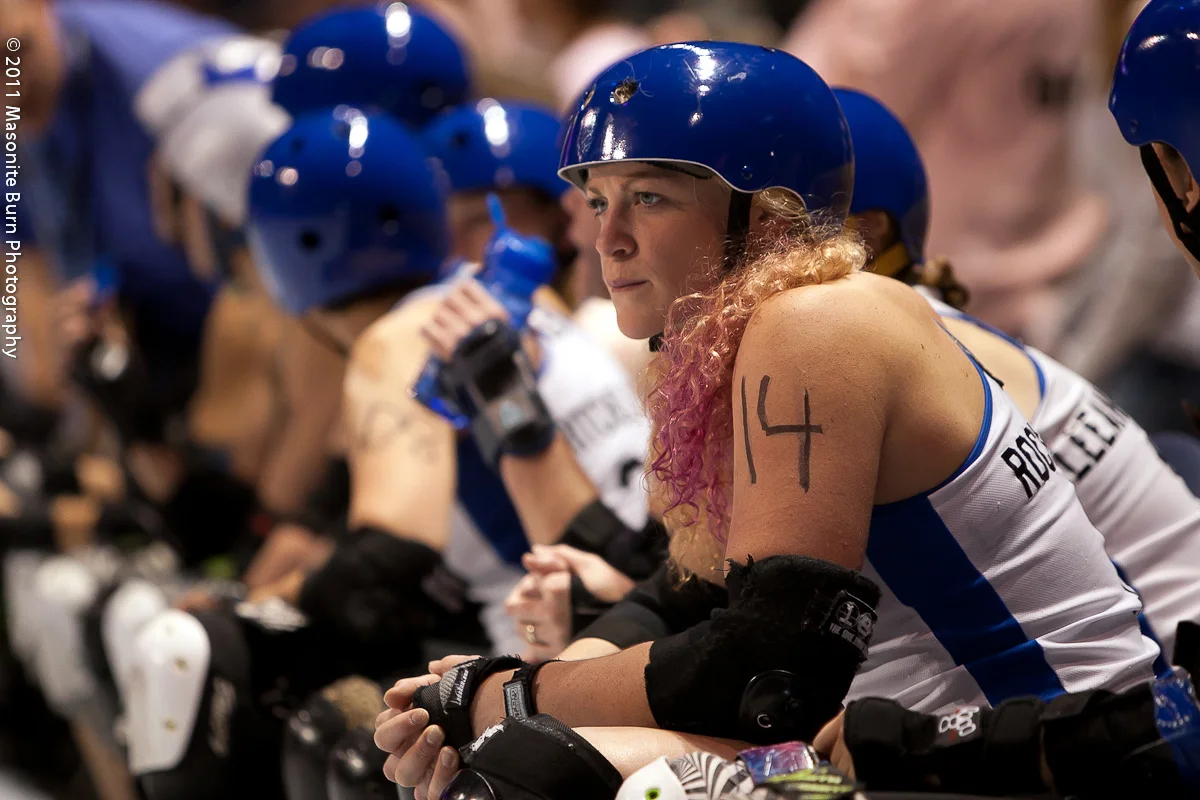
Book the right entry session before buying a complete setup. Reserve loaners, get the actual practice address, and let the coach decide when you’re ready for contact.
Do the small things before the big day.
A recruitment night, a learn-to-skate class and a competitive tryout are three different appointments. Denver’s recruitment event is explicitly off skates. Philly’s 101 bootcamp starts with fundamentals, while Cheeseskates expects them already. “Beginner” alone does not tell you which door to walk through.
Ask the coordinator which program matches your current skating. Be concrete: “I have never worn quads,” “I can roll but cannot stop reliably,” or “I skate comfortably but have never played contact derby.” That gives someone useful information for placing you.
Confirm the address, entrance, arrival time and registration process together. A league may play public games in one building and train in another. If you are borrowing kit, send your shoe size and ask how they handle pad and helmet fitting.
Pack for a practice, not a shopping haul.
For skating, expect quad skates, a helmet, wrist guards, knee pads, elbow pads and your own mouthguard. Your program tells you what it supplies and when each item is required. A loaner library helps only if the right equipment is available when you arrive.
Bring water, clothes you can move in, spare socks and athletic shoes for any off-skates work. Keep your registration and venue details somewhere you can find without searching a long email thread at the door. Leave a little time for fitting and fastening gear.
The practice planner holds a complete checklist. Mark a borrowed item ready after the league has reserved it, rather than assuming a shelf of spare skates will contain your size.
Expect foundations. Pay attention to them.
A first skating session may spend a lot of time on stance, balance, controlled movement, stopping and getting up. That work is the route into derby. Fast laps do not replace being able to control your body around other people.
WFTDA’s beginner curriculum organizes learning around progressive skills and different levels of participation. Your coach decides which activities match the group and your readiness. Do not treat a video, an old minimum-skills checklist or a calendar date as clearance for contact.
If an instruction does not make sense, ask for another demonstration. Tell the trainer when equipment moves, pinches or prevents you from using it correctly. Be honest about what you can repeat reliably. The useful comparison is whether you understand the movement better, not how quickly somebody else progresses.
Leave with a next step you can repeat.
Before you go, ask which practice to attend next, what one or two skills to work on, and how advancement is assessed. Find out whether missing a session is a problem for a sequential course. Ask when monthly dues, insurance or volunteer commitments begin.
Afterward, air out the kit and write down the details while you still remember them. Note the actual travel time, including getting home. A class that looks convenient at lunchtime can be a very different trip after an evening session.
If you liked being around the sport but did not like the skating, ask about an officials introduction or a volunteer shift. You can contribute to a bout without forcing yourself down the player pathway.
Go to the source.
Research and editorial explanation, not a report of attending these programs. Rules references use WFTDA 20250101. League arrangements can change; follow the current program page.